EMBROIDERY BUSINESS OWNERS
You've seen the gap. This is the room where you close it.
If you were at the briefing, you already know the number. 7.54 out of 20. More than half of the shops in the study are sitting in Pricing Blind Spots - not because they're bad at embroidery. Because the system behind their prices was never complete.
Seeing that gap is one thing. Closing it in your own shop is another.
That's what the PRICE Implementation Intensive is for.
3 days, live, with me in the room every session.
You won't watch a presentation about pricing. You'll rebuild how you price - using your own numbers, your own orders, until quoting with confidence is simply how you work.
Pilot Cohort 1 · August 21-23, 2026 ·
8–12 shops only · $497
Look, I'm going to tell you something...and it might sting a little.
Working harder was never the problem.
When I first joined my family's embroidery business, I believed passion and long hours would carry us. I cared. I worked. At one point I had tripled production. And then I sat down with my accountant, and he told me - after looking at the numbers - that I would have made more money working at McDonald's.
That was hard to hear. Not because I wasn't working hard. Because I was working that hard and still couldn't see where the money was going.
What I eventually understood is that I wasn't running a business. I was running a machine. And the machine was quietly losing money on orders that felt profitable.
I see the same thing in shops every week. Good people, busy schedules, real skill and a pricing system with two or three pieces missing. The orders come in. The machines run. And at the end of the month, the math doesn't add up the way it should.
You can stitch more and still undercharge. You can stay booked solid and still leak profit on every order. The briefing showed you where those leaks tend to hide. The Intensive is where we close them, for your shop, with your numbers.
Tips inform. This installs.
That's the difference between everything you've read in a magazine, even articles that I have written, and what happens during these three days. You don't leave knowing more about pricing. You leave having priced your own orders, correctly, with a system that holds.
Five drivers. Your numbers. One complete system.
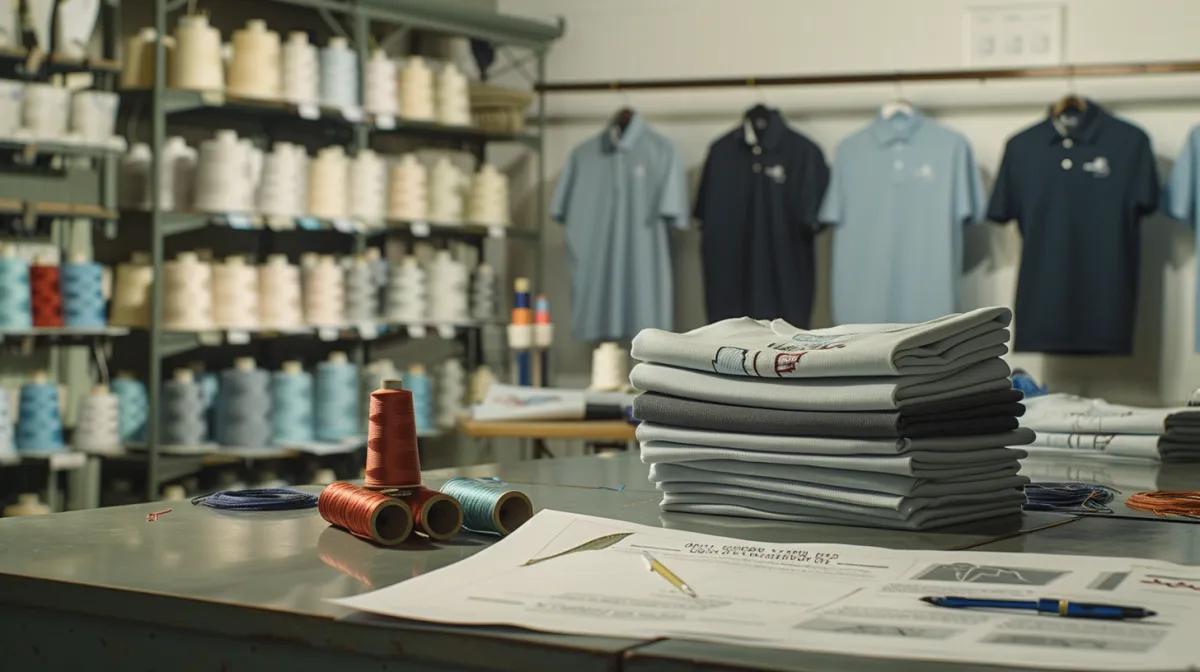
The PRICE Framework is five things every quote has to account for. When even one is missing, that's where your profits leak — and in our study, most shops were missing more than one at the same time. Over three days, you'll build all five with your own shop's real numbers.
P — Production Cost
Production cost is everything it takes to run an order through your shop: thread, backing, digitizing, setup, machine time, labor, and overhead. Yet 67% of shops who completed the NNEP Price Diagnostic haven't calculated their true production cost in the past year, if ever, leaving them to price from assumptions instead of actual costs.
By the end of Day 1, you'll have yours. Not an estimate. The real floor.
R — Real Labor
Not machine time—human time. The consult, the hooping, the trimming, the packing, the invoicing. We counted 22 separate human touch points in a standard order. Yet nearly half the shops in the study don't track labor time at all, making it difficult to understand what each order truly costs.
You'll count yours and price it at what your time is genuinely worth.
I — Intended Profit
Profit is decided before the quote goes out—not whatever's left at the end of the month. The strongest shops build a profit target into every price instead of hoping for one afterward.The majority of the shops who completed the Pricing Diagnostic in 2026 have no consistent profit target, making profitability unpredictable from one order to the next.
You'll set yours, tied to what your business actually needs to bring in to support you.
C — Capacity Pressure
What your schedule is worth. An order that lands in an open week and one that lands when you're slammed are not the same order and most shops charge the same for both.
You'll learn to read your own capacity and price accordingly.
E — End Customer Value
What the order is worth to the person buying it. This is the one driver most shops already do well - owners have good instincts about their customers.
You'll sharpen that instinct into a pricing decision, then assemble the whole system and price real orders, start to finish.
Live, working sessions, not a webinar you watch.
Each day pairs a short teaching block with a working block, where you put your own numbers on the screen and I help you build.
This is a Zoom room, not a broadcast.
You'll be working, and I'll be right there.
Day 1 — The Cost Floor: Production Cost + Real Labor
You'll calculate exactly what it costs to produce your most common order — every consumable, every setup step, every minute of human time. Most people see a number higher than they expected. That moment is uncomfortable, and it's the whole point: it means the leak is finally visible.
You leave with your real cost floor.
Day 2 — The Margin: Intended Profit + Capacity Pressure
You'll build a profit target into your price before the quote ever goes out, tied to the income your business needs to be sustainable for you. Then you'll learn to factor your schedule into the price, so a full week and an empty one stop costing you the same.
You leave with a margin target and capacity rules built into your quoting.
Day 3 — The Install: End Customer Value + full PRICE practice
You'll price real orders from your own business using the complete system — out loud, start to finish, until the number stops feeling high and starts feeling true. We'll also walk through the two objections you hear most, and exactly how to hold your price without flinching.
You leave with at least five real orders PRICE'd and ready to quote tomorrow.
The hardest part of pricing isn't the math. It's believing the number.

The Heartbreaking Truth About Why Some Embroidery Businesses Thrive (And Others Stay Hidden)
Let me tell you about a shop owner I'll call Christine. She'd been doing a customer's work for three years - reliably, on time, no errors. The customer came back for a reorder and asked her to come down on the price. Christine was ready to say yes. She called me first and asked if she should.
I said no, she should not and explained, “Here's why.”
That customer wasn't calling because the price was wrong. They were asking because asking costs nothing. If Christine dropped the price, she'd do three things: shrink the margin on a good relationship, signal that her original number was soft, and teach that customer to open every future order with a discount request.
So she held. She said, "I appreciate your business, and this is what the order costs." The customer called back five minutes later and placed the order at full price.
The customer didn't want a discount. They wanted to know whether Christine believed in her price. She did.
That's what this Intensive is really building. When you've calculated your Production Cost, your Real Labor, your profit target — when you know exactly where your number comes from — you stop guessing and start reporting the truth about what the work costs. You don't have to be aggressive about it. You just have to know. And once you know, holding your price stops being a confrontation and starts being a fact.
Nothing changes until the system does.
The Night
That Changed Everything
Picture the next 6 months if nothing shifts.
The same orders, priced the same way. The same busy weeks that somehow don't turn into the profit they should. The same quiet uncertainty every time you send a quote.
More orders won't fix that. They'll multiply it. A pricing gap doesn't shrink as you grow - it scales right alongside you, until your bigger shop is leaking bigger money on every job.
The shops that broke out of that pattern didn't work harder. They built a complete pricing system and stopped absorbing costs that belonged in the quote. That's the entire difference between a shop scoring 5 and a shop scoring 17 - not talent, not equipment, not years in business. Just whether the system is there.
You can keep guessing.
Or you can spend three days building the system that ends the guessing for good.
A small room, on purpose.
The pilot cohort is capped at 8 - 12 shops so I can give every person real attention on their own real numbers. That cap is not a sales tactic, it's how I can ensure the room does the job is it designed to do.
It also means seats are genuinely limited.
This is for you if:
You run an embroidery shop and price most orders yourself
You've seen the gap and you're ready to do the work to close it
You want a system for every quote, not a one-time chart to copy
You can be present and working for all three live days
You're done guessing and want a number you can stand behind
This isn't for you if:
You're looking for a quick pricing shortcut
You'd rather watch passively than work on your own shop
You're not ready to look honestly at what your orders actually cost
You can't set the three days aside to be fully in the room
The pilot cohort opens now.
PRICE Implementation Intensive - Pilot Cohort August 21-23, 2026
3 days, live · 6 working sessions · 8 - 12 shops · With me, every session
What's included:
All five PRICE drivers, built with your own shop's numbers
Your real Production Cost floor and profit target, calculated live
At least five real orders from your business, PRICE'd start to finish
The two-objection framework for holding your price with confidence
A pre-work packet and worksheets you keep and reuse
$497 - pilot cohort rate
Stop running the machine. Start running the business.

You already do real work for real customers. This isn't about adding more effort - it's about giving the effort you're already putting into your business a system to stand on, so the price you quote is one you calculated, not one you hoped was right.
An embroidery professional's income shouldn't be whatever's left in the bank at the end of the month. It should be built into every order you make.
That's what these three days install.
I'll see you in the room.
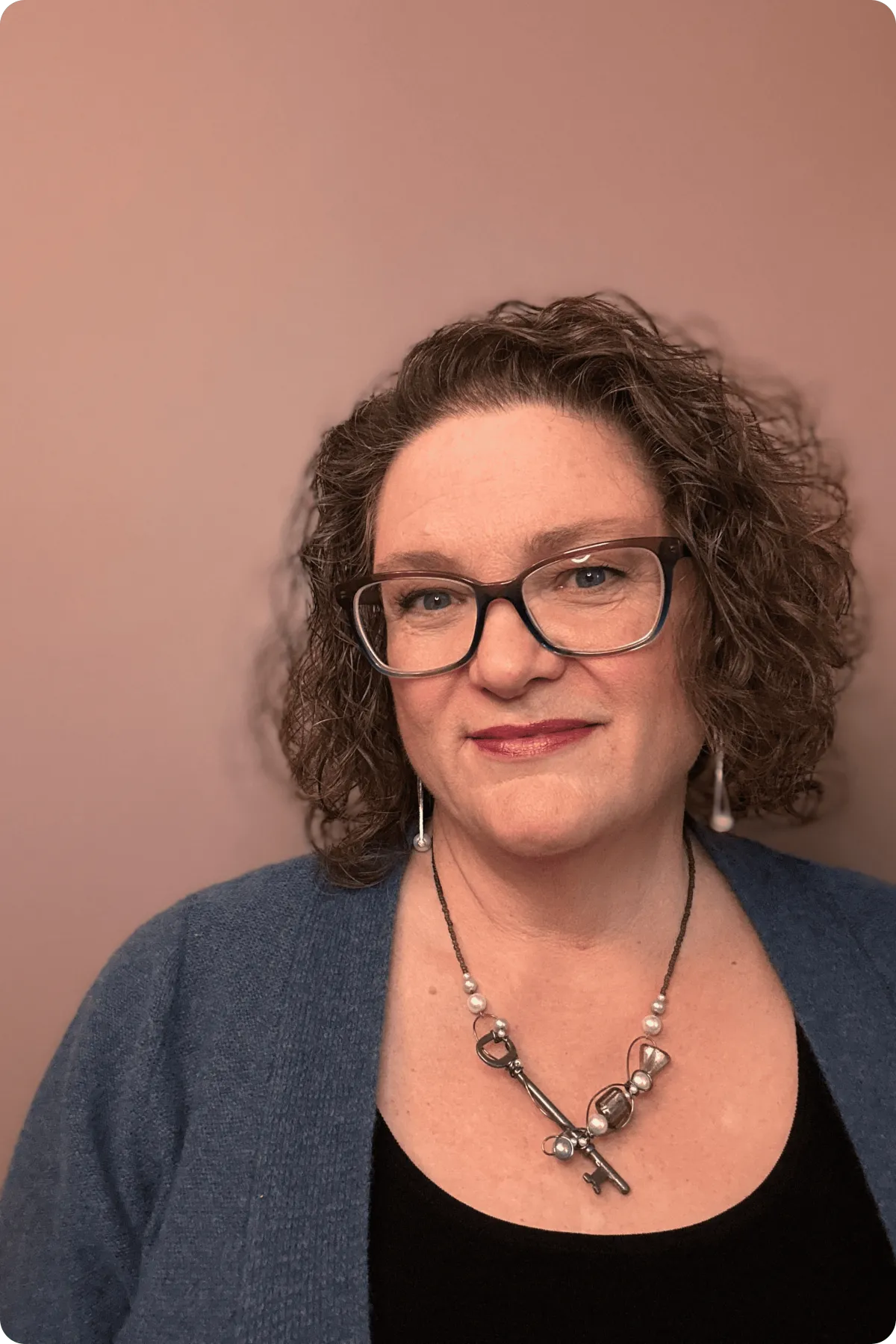
Jennifer Cox
President, NNEP
As Seen On

Questions before then? Email [email protected]
Something comes up? Seats are transferable to the next cohort ( January 2027) up to 7 days before we start - just let us know.